
Function comes before styling
Scandinavian design grew from functionalism. Furniture, storage and circulation should solve real needs first, then the clean visual character follows from those decisions.
Meet the studio, understand our process and discover how we move from first conversation to finished space.
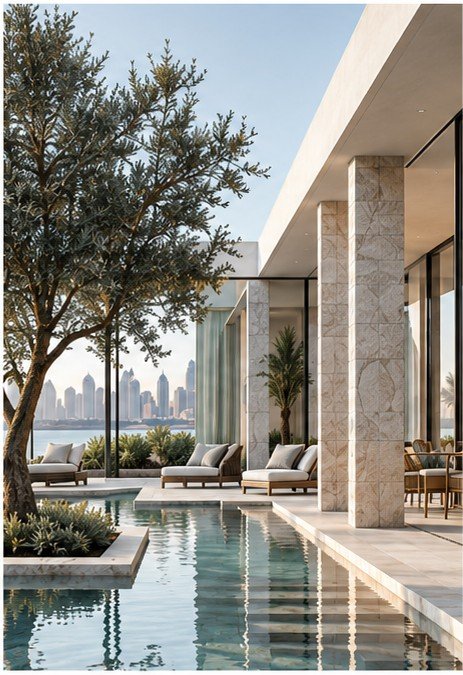
Natural Light, Pale Timber, Useful Simplicity
Scandinavian interior design combines practical planning, clean furniture lines, natural light, pale or warm timber, tactile textiles and an uncluttered palette to create rooms that feel bright without feeling bare. Bella adapts the Scandinavian interior design style to Abu Dhabi by controlling glare, choosing materials that suit strong sunlight and cooling, and giving everyday storage a proper place so the home stays calm after real life moves in.
The result does not have to be an all-white Nordic copy. Your project can use oak, ash, walnut, woven textures, muted blue, sage, clay, black accents or selected vintage pieces while keeping the core Scandi principles: usefulness, craftsmanship, light, comfort and a restrained material family.

What Scandinavian Interior Design Means
Scandinavian interior design developed around functionality, craftsmanship, natural materials and the need to make homes feel light and welcoming through long Nordic winters. Its recognizable ingredients are clean furniture lines, pale or warm wood, white and soft neutral backgrounds, flexible layouts, natural fibres and a small number of well-chosen objects. In Abu Dhabi, we keep that design discipline but adapt the light strategy: instead of trying to capture every ray of sun, we balance abundant daylight with sheers, glare control, cooling and UV-conscious material choices.
Scandinavian is related to minimalism and modern design but it is not identical to either. Minimalism usually removes more visual material; modern design can feel sharper and more architectural. Scandinavian interiors use reduction too, but they usually bring back softness through timber, wool, linen, rugs, plants, comfortable seating and the idea of hygge—comfort and sociability rather than visual austerity.
The style can also carry more personality than the stereotype suggests. Scandinavian homes and furniture traditions include bold colour, vintage pieces and strong craftsmanship alongside white walls and oak. A current Scandi interior can therefore use a red chair, muted blue cabinetry, patterned textile or dark wood accent provided the room remains functional, light and visually balanced.
If you want that light Nordic character developed around your actual floor plan rather than copied from an inspiration board, our Residential Interior Design Abu Dhabi approach can connect the style to storage, lighting, materials, furniture, fit-out and the way your home is used every day.
The Scandinavian Design Logic
We use the style as a design system: function first, light controlled properly, natural material, comfortable texture and quality over unnecessary quantity.
Scandinavian design grew from functionalism. Furniture, storage and circulation should solve real needs first, then the clean visual character follows from those decisions.
The Nordic tradition maximises natural light; Abu Dhabi already has plenty. We preserve brightness while managing glare, privacy and heat through window treatment, furniture placement and material reflectance.
Oak, ash, birch and other light-to-medium woods keep the room tactile and human. Timber can appear in furniture, flooring, cabinetry or small architectural details rather than covering every surface.
Wool, linen, boucle, woven rugs, cushions and upholstered seating make the room inviting. The texture is usually more important than elaborate pattern.
A well-made chair, dining table or cabinet can carry more visual value than many accessories. We prefer fewer useful pieces with good proportion, material and detail.
Natural wood, stone, plants and views help connect the interior to the outdoors. The biophilic layer is usually restrained: one healthy plant or a timber surface can be enough.
Scandinavian Interior Design Styles
Scandinavian design is broader than one white-and-oak formula. These directions keep the same functional base while changing the material temperature and level of expression.

White or warm-white walls, pale oak, grey or beige upholstery, natural fibre rugs and simple black accents create the most recognisable Scandinavian interior design style.

Move from bleached white toward oat, sand, mushroom and warmer timber, then add linen, wool and soft lighting. This direction works especially well when you want Scandi calm without a cool or stark result.

Use classic Nordic furniture proportions, warmer teak or walnut, tapered legs and selected vintage pieces against a quiet architectural background. The room stays functional but gains stronger historical character.

Keep the pale, functional base but introduce one or two stronger colours through an armchair, artwork, lamp, cabinetry or textile. Scandinavian interiors have a long history of expressive colour; restraint matters more than avoiding colour entirely.
Scandinavian Interior Design Layouts
Scandinavian layouts are practical rather than ceremonial. Furniture is scaled carefully, circulation stays clear and spaces often support more than one activity instead of being preserved for occasional use.
Living and dining can share one room, with a rug, pendant or furniture orientation defining each activity. The key is keeping daylight and circulation moving through the whole space.
A sofa or chair can move away from the wall to improve conversation and circulation, but Scandinavian planning does not float furniture simply for appearance. The position should make the room work better.
Low furniture and open sightlines protect the strongest glazing. In Abu Dhabi we also check glare and AC airflow so keeping a window visually open does not make the seating uncomfortable.
A timber dining table can support family meals, homework and work-from-home without turning the room into multiple furniture zones. Lighting and nearby storage are planned around that flexibility.
Scandinavian kitchens favour order, light cabinetry or timber, easy-to-clean worktops and practical storage. The layout must still resolve appliance positions, work triangle, pantry and waste properly.
The bed, wardrobe and bedside functions are kept simple, with enough clear floor around them for comfortable daily use. One chair, bench or desk is added only when the room genuinely supports it.
Scandinavian Interior Materials
The style works because pale walls are balanced by wood grain, woven fibre, upholstery and crafted furniture. In Abu Dhabi we also consider UV, cleaning, dust and cooling when choosing those softer materials.
Light wood is a Scandinavian signature, but current Nordic interiors can also use darker timber for contrast. We coordinate timber undertones so flooring, furniture and joinery do not look accidentally mismatched.
Soft textiles create hygge and acoustic comfort. We keep pattern controlled and use weave, pile and texture to add depth without visual clutter.
Stone should support the wood rather than dominate it. Pale limestone tones, terrazzo or restrained porcelain can keep kitchens and bathrooms practical while maintaining the Nordic palette.
Scandinavian walls are often light so furniture, artwork and wood remain visible. In Abu Dhabi, undertones are tested against intense daylight to prevent warm whites becoming overly yellow or cool whites becoming harsh.
Metal is normally an accent through lighting, chair frames, taps or handles. One consistent finish family helps sharpen the pale palette without making the interior feel industrial.
Scandinavian design values craftsmanship. A handmade ceramic, woven basket or quality timber chair can add character while keeping the number of decorative objects low.
Scandinavian Interior Design Colours
These HEX values are digital design references rather than paint specifications. Scandinavian interiors often use white, beige and grey, but current Nordic references also show red, blue, green and deeper wood tones used selectively. In Abu Dhabi, sample the actual finish because strong daylight can change undertones significantly.
A warm light base for walls and ceilings that reflects daylight without the blue cast of a brilliant white.
A soft background for upholstery, rugs or secondary walls where white feels too clinical.
A quiet neutral for sofas, textiles and stone references that keeps the palette light.
A timber-reference tone for flooring, cabinetry, tables and shelving.
A low-saturation green for a chair, cabinetry, plant-led palette or soft furnishing.
A controlled blue accent for textiles, art or secondary joinery.
A stronger Nordic accent for a lamp, chair, art piece or small wall zone rather than the whole room.
A darker wood-reference tone that gives contrast to a pale Scandinavian base.
Use sparingly on lighting, chair frames, window details or hardware to give the pale palette definition.
Scandinavian Design Room by Room
We do not repeat one palette mechanically. Kitchens need utility, bedrooms need softness, living rooms need sociability and home offices need concentration.
Use a comfortable sofa, timber table, one or two crafted chairs, a woven or wool rug and layered lamps. Plants and artwork can add personality while storage keeps everyday clutter controlled.
Light wood or warm-white cabinetry, simple hardware, durable stone or porcelain and good task lighting support the Scandinavian focus on utility. Every appliance and pantry function still needs a practical place.
A timber or upholstered bed, linen curtains, warm bedside light, full-height storage and one chair or bench can create comfort without overfurnishing the room.
The dining table often becomes a central multi-use object. We select its size and chair clearances carefully, then add one well-proportioned pendant and nearby storage rather than excessive decoration.
A light timber vanity, simple tile or stone, frameless glass and restrained fittings create a Scandinavian bathroom. Moisture resistance, ventilation and cleaning remain critical when timber is used near wet areas.
A simple timber desk, ergonomic chair, closed storage, shelf for a few books or objects and properly positioned task light create a workspace that feels light without sacrificing productivity.
Scandinavian Interior Design Across Abu Dhabi
These are design scenarios rather than templates. We use the architecture, light exposure, storage needs and household routines to decide how Scandinavian design should look in each Abu Dhabi setting.
A Saadiyat residence can use warm-white walls, pale oak, linen, a quality Nordic-style chair and restrained art so the view and artwork remain dominant. One stronger colour or darker timber piece can stop the home from feeling overly pale.
Best suited to: premium apartments and villas where daylight, art and natural materials should lead.For a Yas villa or apartment, we can combine an open family living zone, timber dining table, washable upholstery, concealed toy/storage zones and indoor plants. The palette stays bright but is specified for active daily use.
Best suited to: family villas, townhouses and apartments used for everyday hosting and work-from-home.In an Al Reem apartment, light-toned storage, legged furniture, a smaller dining table and soft grey or beige upholstery can make the floor plate feel more open. Full-height curtains manage glare without visually closing the window wall.
Best suited to: studios, one-to-three-bedroom apartments and high-rise living.Waterfront homes suit warm whites, oak, linen and small blue or sage accents. The furniture should stay low enough to protect views while sheers reduce glare and maintain daytime privacy.
Best suited to: waterfront apartments, duplexes and homes with large glazing.A premium urban apartment can take a sharper Scandinavian direction through walnut, soft black lighting, pale stone and better-crafted furniture while still keeping the plan uncluttered and the lighting warm.
Best suited to: executive apartments, premium residences and selected office/client spaces.A Khalifa City villa needs larger furniture and more storage than a compact Nordic apartment. We can keep the palette light while using substantial timber dining, generous sofas, a calm majlis and repeated oak/stone details to connect the rooms.
Best suited to: multi-bedroom villas, family homes and renovation/new-handover projects.In an established Al Bateen home, we can retain good stone, timber or existing furniture and introduce Scandinavian pieces, lighter textiles and simplified lighting. Mixing old and new is consistent with Nordic design when the overall room remains balanced.
Best suited to: established villas, apartments and selective high-quality renovations.Timber, tactile stone, soft upholstery, muted green and strong indoor-outdoor relationships can create a more nature-connected Scandinavian villa. The light palette works best when shading and window treatment are planned for Abu Dhabi sun.
Best suited to: premium villas and lifestyle-led homes with strong outdoor connections.Scandinavian Design for Small Spaces
The style developed around practical, multi-use living and often uses furniture with visible legs, pale finishes and clear floor area. Those qualities translate well to compact Abu Dhabi apartments.
Legged sofas, chairs, consoles and beds expose more flooring and keep a small room visually lighter than solid block furniture.
A well-sized timber dining table can handle meals, laptop work and homework, reducing the need for a second desk or console.
Tall cabinets or wardrobes use wall height instead of floor width. Light timber or wall-coloured fronts can keep the storage visually quiet.
Avoid tall furniture in front of the best glazing. Sheer curtains, a low bench or legged chair maintain access to light while still making the window usable.
One appropriately scaled rug can establish a living zone inside an open plan without adding a physical partition that blocks light.
Artwork, a small wall shelf or a woven wall piece can introduce personality without filling the floor with extra tables and decorative objects.
Scandinavian Interior Design Cost in Abu Dhabi
The style can save money when the plan is retained and the character comes mainly from paint, lighting, rugs, furniture and selected timber. Costs rise when you add full-height storage, custom kitchens, engineered wood flooring, imported furniture or a complete fit-out. Current 2026 Abu Dhabi market references show why Bella separates professional design fees from physical construction and procurement.
The figures below are external 2026 planning references, not Bella fixed prices. Confirm whether demolition, MEP, flooring, custom timber joinery, furniture, window treatment, approvals, delivery and VAT are included before comparing quotations.
Space planning, Scandinavian direction, material/colour palette and design development without full implementation management.
Adds developed room visuals and a clearer furniture, joinery, textile and lighting direction.
A broader appointment from concept toward implementation coordination. Exact drawings and site services must still be defined.
Paint, flooring, lighting, curtains and selected light joinery where the existing layout and main services remain.
New finishes, fitted storage, lighting and some layout change, usually using relatively straightforward geometry and locally available materials.
Premium timber veneer, natural stone, custom furniture, extensive built-in joinery, altered layouts and upgraded electrical/cooling.
Planning example using the published AED 200–300/m² design-fee range before construction, furniture, approvals or VAT.
Planning example where layout and main services stay and work focuses on paint, flooring, lighting, light joinery, curtains and furniture.
Planning range using AED 800–1,800/m². Loose furniture, appliances and imported design pieces may sit outside depending on the quotation.
Current Abu Dhabi fit-out guidance places made-throughout work from AED 3,500/m² upward. Extensive timber walling, custom furniture or imported Nordic design pieces can move the budget beyond a standard Scandi fit-out.
Scandinavian Design Built for Abu Dhabi
Scandinavian design was shaped by limited winter daylight. Abu Dhabi has the opposite challenge. We preserve the airy quality while controlling glare, thermal exposure and maintenance.
We keep sightlines toward windows open but use sheers, blinds or other treatment where required. Furniture is positioned so screens, seating and dining are comfortable during strong daylight.
Pale wood can fade or change tone beside strong glazing. Finish systems, veneers, curtains and furniture positions should be considered together in highly exposed rooms.
Rugs and fabric add the hygge layer, but they should be selected for maintenance, dust and cleaning. Performance linen-look or washable upholstery can be more practical for family homes.
Supply/return air, access panels and lighting can be coordinated into a calm ceiling composition without compromising cooling performance or maintenance.
Indoor greenery works well with Scandinavian design, but species selection should match the real window orientation, AC environment and maintenance routine rather than being added only for the photograph.
Simple oak-look cabinets, wardrobes and benches can be fabricated locally when colour, veneer, edge detail and hardware are controlled, reducing reliance on imported furniture for every storage function.
Scandinavian Interior Design Timeline
Programme depends on whether you are furnishing, refreshing, renovating or completing a full fit-out. Imported furniture or custom timber pieces can extend procurement even when the construction scope is relatively light.
We assess room use, window orientation, what you own, storage issues, furniture to retain and whether the Scandinavian direction can be achieved with styling or needs built intervention.
Furniture scale, layout, timber tone, colour palette, rugs, curtains, storage and lighting character are developed into one coherent direction.
Key rooms, cabinetry, furniture, finishes and lighting are resolved to the agreed level before fabrication or purchasing.
Local furniture can move quickly; imported Nordic pieces, custom joinery and special fabrics can extend lead times. Building approvals may also affect renovation start.
Furniture/styling-only scopes can be relatively fast; full apartment or villa fit-out takes longer. The final programme should follow the actual site and procurement list.
Scandinavian Interior Design References
Each image demonstrates a useful Scandinavian principle: bright living, practical kitchen, warm bedroom, timber dining, calm bathroom or a clean working environment. Replace them later with Bella-owned or properly licensed project photography while keeping the descriptive image metadata structure.

White walls, a grey sofa, rug, greenery and simple black lighting show the style's balance of lightness and comfort.

Light cabinetry, a clean island and a restrained neutral palette show how utility can remain visually calm.

A natural timber nightstand, simple lamp and quiet bedroom styling demonstrate the small-scale craftsmanship and restraint associated with Nordic interiors.

A timber table, simple chairs, plants and large windows show how dining furniture, light and nature can carry the entire room.

Light surfaces, timber elements and a large window create warmth while the room remains visually restrained.

A simple desk, comfortable chair, shelving and limited decoration show how the style supports concentration without feeling severe.
Temporary external image references are used for design direction only. Replace them with Bella-owned or appropriately licensed photography before relying on them as permanent portfolio proof.
Compare Related Interior Design Styles
These related styles share lightness, function, nature or restraint with Scandi design but change the level of reduction, trend influence, luxury or timber emphasis.

Choose Minimalist when you want fewer visible objects, stronger concealed storage and less textile or decorative layering than a Scandinavian home.
Explore style →
Choose Modern when you want stronger geometry, integrated built elements and a cleaner architectural expression with less overt Nordic softness.
Explore style →
Choose Contemporary when you want more curves, richer colour, artisan pieces and current trend influence while keeping the plan clean.
Explore style →
Choose Biophilic when greenery, daylight, natural materials and indoor-outdoor connection should play a stronger role than in a typical Scandinavian room.
Explore style →
Choose Wood Interior Design when grain, timber walling and bespoke joinery should carry more of the room than paint and textile.
Explore style →
Choose Luxury when natural material and craftsmanship remain important but the project needs more bespoke stone, joinery, furniture and high-spec execution.
Explore style →Turn Scandinavian Style Into a Real Project
Scandinavian design can be achieved through careful furnishing in one property and require full fit-out in another. These services let us match the appointment to the actual level of change.
For apartments, villas and private homes where Scandinavian light, storage, furniture and materials need to remain coherent across multiple rooms.
For compact planning, furniture scale, storage, window treatment and daylight control in Abu Dhabi apartments.
For larger family spaces where the Scandi palette must scale up to majlis, family living, kitchens, bedrooms and service zones.
For testing furniture placement, flexible zones, dining/work relationships and circulation before material or furniture purchases are fixed.
For sofas, timber dining furniture, rugs, lighting, curtains, art and accessories where the Scandinavian character sits mainly in loose furnishings.
For built-in benches, wardrobes, shelving and cabinetry where custom storage is needed to protect the uncluttered Nordic look.
For projects involving floors, ceilings, lighting, partitions, kitchens, built storage and technical site coordination.
For clients who want design, sourcing, fit-out, joinery, furniture installation and final styling coordinated as one wider scope.
Scandinavian Interior Design Questions
These answers focus on what clients actually need to decide: what Scandinavian style means, how it differs from minimalism, what works in Abu Dhabi, what it costs and how the look can stay practical.
Scandinavian interior design combines functionality, clean lines, natural materials, neutral or light colour, natural light, quality craftsmanship and tactile comfort. Timber and textiles keep the style warm, while clutter and unnecessary ornament are kept under control.
It is best known for useful furniture, pale or warm wood, bright interiors, white/beige/grey backgrounds, natural fibres, uncluttered planning and comfort. Scandinavian design also values craftsmanship and long-lasting pieces rather than disposable decoration.
Both value simplicity and function, but Scandinavian interiors normally use more visible timber, textiles, comfort and relaxed everyday layering. Minimalism can feel more reduced and architectural. Scandi spaces are generally intended to be simple and cozy rather than austere.
Modern design shares clean lines and functional planning, but Scandinavian design is more strongly associated with Nordic craftsmanship, natural light, pale timber and tactile warmth. A modern interior may use more glass, metal, darker contrast or built architectural features.
No. Light walls are common because they reflect daylight, but Scandinavian interiors can include blue, red, green, black, walnut and vintage colour accents. The palette stays controlled rather than strictly colourless.
Hygge is a Danish idea associated with comfort, contentment and sociability rather than a specific decorating formula. In interiors it often appears through warm light, comfortable seating, tactile textiles, shared dining and a relaxed atmosphere.
Yes. Its fundamentals—function, craftsmanship, timber, natural material and comfort—remain relevant. Current Nordic design in 2026 is also showing stronger sustainability, material experimentation and individual colour, so Scandinavian design does not need to remain a pale generic template.
Warm white, oat, beige, soft grey and pale wood create the common base. Muted sage, Nordic blue, brick red, walnut and soft black can provide contrast. The exact undertone should be tested in your Abu Dhabi daylight before the palette is fixed.
Yes. The style adapts well because light colours, natural material, flexible layouts and uncluttered storage suit apartments and villas. The main adaptation is controlling rather than maximising sunlight through suitable curtains, glare planning and UV-conscious timber and fabric selection.
Yes. Legged furniture, light storage, a multi-use dining table, pale finishes and a clear window zone can make a compact apartment feel more open while still providing practical storage and comfortable seating.
The style has no fixed tariff. Current 2026 Abu Dhabi references place residential concept design around AED 150–250/m², concept plus 3D around AED 200–300/m² and broader full-service design around AED 300–500/m². Fit-out guidance ranges from about AED 400–800/m² for refresh work to AED 800–1,800/m² standard and AED 1,800–3,500+/m² high specification.
It can be, especially when the layout stays and the project focuses on paint, curtains, rugs, furniture and selected lighting. Costs rise with custom timber cabinetry, engineered wood flooring, premium furniture, imported pieces or major fit-out changes.
Light engineered timber, timber-look porcelain, pale stone and quiet large-format tile can all work. The choice should account for maintenance, cooling, moisture, acoustic requirements and how much real timber is already used elsewhere.
No. Plants can reinforce the natural character, but one well-placed healthy plant is more useful than filling a room with greenery. Species should match the actual daylight and AC conditions.
It depends on scope. DMT's simplified minor-works process includes qualifying non-structural interior modifications, maintenance and interior finishes, while structural, MEP, fire/life-safety, common-property or developer-controlled changes can require additional approvals.
Send the Abu Dhabi area, property type, floor plan or approximate dimensions, current photos, rooms involved, furniture to keep, storage needs, style references, budget range and target date. Also tell us whether you need furniture/FF&E only, design, renovation, fit-out or full turnkey delivery.
Make Scandinavian Design Fit Abu Dhabi Life
Share your Abu Dhabi location, floor plan, current photos, furniture you want to keep, storage issues, preferred timber/colour direction, approximate budget and target date. We can then decide whether the right route is furniture and styling, space planning, design-only, selected renovation, design and fit-out or complete turnkey delivery.