Sustainable Interior Design Dubai

Sustainable Interior Design Dubai for Homes, Workplaces & Fit-Outs

If you want a Dubai interior that uses fewer resources, performs better and remains relevant for longer, we begin with the existing asset—not a shopping list. Bella reviews what can stay, what can be repaired or refinished, where energy and water are being wasted, which finishes need credible low-emission evidence, and how the layout can support daylight, cooling, acoustics and future change. For an existing villa, apartment or office this can materially reduce demolition; for a new shell it lets us build sustainability into the plan before procurement and MEP decisions become expensive to change.

The strategy is different in every part of Dubai. A villa in The Sustainable City, Dubai Hills Estate, Al Barari, Jumeirah Golf Estates or Emirates Hills has different opportunities from a glazed apartment in Downtown Dubai, Palm Jumeirah, Dubai Marina or Bluewaters. A workplace in DIFC, Business Bay, Dubai Design District (d3), Dubai Internet City, Dubai Media City, JLT, Uptown Dubai, Expo City Dubai or Dubai South has different landlord, base-build, ESG and certification considerations. We design around the actual property, not a generic eco-aesthetic.

Reuse-First DesignLow-Emission MaterialsLEED / WELL CoordinationEnergy + DaylightWater EfficiencyCircular Fit-Out
LEED Platinum sustainable office interior in Dubai with daylight, indoor planting, timber booths and energy-efficient lighting
Dubai / Sustainable Interior Retain · Reduce · Verify · Efficiently Operate · Adapt

When Sustainable Interior Design in Dubai Adds Real Value

Sustainability should change what you keep, how you plan and what you specify—not only the colour palette.

A genuinely sustainable interior is a sequence of commercial and design decisions. We prioritise avoiding unnecessary work first, then improving the environmental and health performance of what genuinely needs to be added.

01

You are renovating a Dubai home and do not want to strip out everything

We prepare a retain / repair / refinish / relocate / replace hierarchy before demolition. Existing marble, porcelain, internal doors, kitchen carcasses, wardrobes, sanitaryware, decorative lights and loose furniture can sometimes be retained or upgraded. In communities such as The Sustainable City, Dubai Hills, Al Barari, Jumeirah Golf Estates and Emirates Hills, this can preserve useful value while concentrating the budget on the areas that genuinely underperform.

02

You want healthier materials rather than vague 'eco-friendly' claims

We look beyond green labels. Paints, adhesives, sealants, composite timber, flooring, upholstery, acoustic products and furniture can be reviewed for credible emissions data, responsible timber certification, recycled content, EPDs or other relevant evidence. A product is not automatically sustainable because it is beige, natural-looking or marketed as low-VOC.

03

Your Dubai office has ESG, LEED or WELL objectives

For corporate interiors in DIFC, Business Bay, One Central, d3, Dubai Internet City, Dubai Media City, JLT, Uptown Dubai, Expo City or Dubai South, we can align the interior design with material documentation, reuse, daylight, lighting controls, acoustic comfort, water efficiency and indoor-air-quality objectives. Formal certification strategy, calculations and submissions remain with the responsible accredited consultant.

04

Cooling, glare and artificial-light demand are working against each other

Dubai's strong solar exposure means 'more daylight' is not automatically better. Furniture layout, internal glazing, blind strategy, surface reflectance and lighting controls should maximise useful daylight while limiting screen glare and unnecessary heat gain. We coordinate those decisions with the building's HVAC and façade constraints rather than treating lighting as decoration.

05

You want the fit-out to survive the next lease cycle or family change

Demountable partitions, replaceable carpet tiles, modular storage, loose furniture and accessible services can make future change less destructive. In commercial property, this is particularly valuable where tenants may expand, contract or reconfigure teams; in homes, it allows a study, nursery, guest room or family area to change function without a full rebuild.

06

You need sustainability without losing a premium interior

Sustainable design does not require a rustic or visibly recycled aesthetic. Certified timber veneer, durable stone, high-quality recycled metal, repairable upholstery, low-emission finishes, refined lighting and carefully detailed reused elements can support a luxury result. The objective is fewer unnecessary layers and better evidence—not visual compromise.

Our Dubai Sustainability Hierarchy

Seven decisions we make before recommending a new 'green' product.

This hierarchy keeps the project focused on actual impact, lifecycle value and indoor performance instead of greenwashing.

01

1. Retain what already performs

The lowest-impact new product may still have more embodied impact than keeping a serviceable existing one. We audit flooring, stone, doors, joinery, furniture, lights and sanitaryware before demolition.

  • Flooring + stone
  • Doors + ironmongery
  • Joinery carcasses
  • Furniture + lighting
02

2. Repair, refinish and reupholster

We test whether existing items can be upgraded through new hardware, refinishing, re-lacquering, reupholstery or component replacement. This is often both more sustainable and more economical than full replacement.

  • Repair
  • Refinish
  • Reupholster
  • Upgrade components
03

3. Reduce layers and material quantity

Unnecessary false ceilings, feature walls, decorative boxes and one-use built-ins add cost, material and future demolition. We simplify where the extra layer does not improve function, acoustics, services or visual quality.

  • Fewer finish layers
  • Efficient layouts
  • Shared functions
  • Material restraint
04

4. Specify with evidence

Where new material is necessary, we review durability, emissions, responsible timber, recycled or reclaimed content, repairability, warranty, local availability and product documentation together.

  • FSC / responsible timber
  • EPDs where useful
  • Low-emission evidence
  • Recycled / reclaimed content
05

5. Reduce operational demand

We coordinate efficient lighting, controls, daylight, window treatments, water-efficient fixtures and unobstructed HVAC operation. In Dubai, an interior that blocks diffusers or increases solar glare can create operational inefficiency even if the finishes look sustainable.

  • LED + controls
  • Daylight + glare
  • Water-efficient fixtures
  • HVAC coordination
06

6. Design for change

Modular furniture, demountable partitions, accessible services and multi-use rooms extend the useful life of the fit-out. A space that can adapt is less likely to be demolished when needs change.

  • Demountable
  • Modular
  • Accessible services
  • Multi-use rooms
07

7. Record what was actually installed

Sustainable intent is lost when specified products are substituted during procurement without review. We keep approved data sheets, certificates, finishes and substitutions traceable through procurement and handover where included in our scope.

  • Material schedule
  • Substitution control
  • Certificates
  • Handover record

Sustainable Interior Design Across Dubai

Different Dubai locations create different sustainability priorities.

The sustainable brief should respond to the building, community, tenancy and operational pattern. These are common Dubai project contexts where Bella can tailor the design strategy.

Contemporary Dubai villa interior with daylight, indoor trees, natural textures and restrained neutral materials
Dubailand / Sustainable Living

The Sustainable City Villas & Homes

The Sustainable City already provides a strong environmental base with solar generation, energy-efficient design, smart irrigation, low-flow fixtures and waste separation. Interior work should protect those advantages rather than undo them through excessive lighting loads, inefficient glazing changes or unnecessary strip-out. We focus on adaptable storage, durable finishes, reuse and healthy material choices.

Retain existing assetsEfficient lightingLow-emission finishesAdaptable joinery
Explore Interior Design Dubai
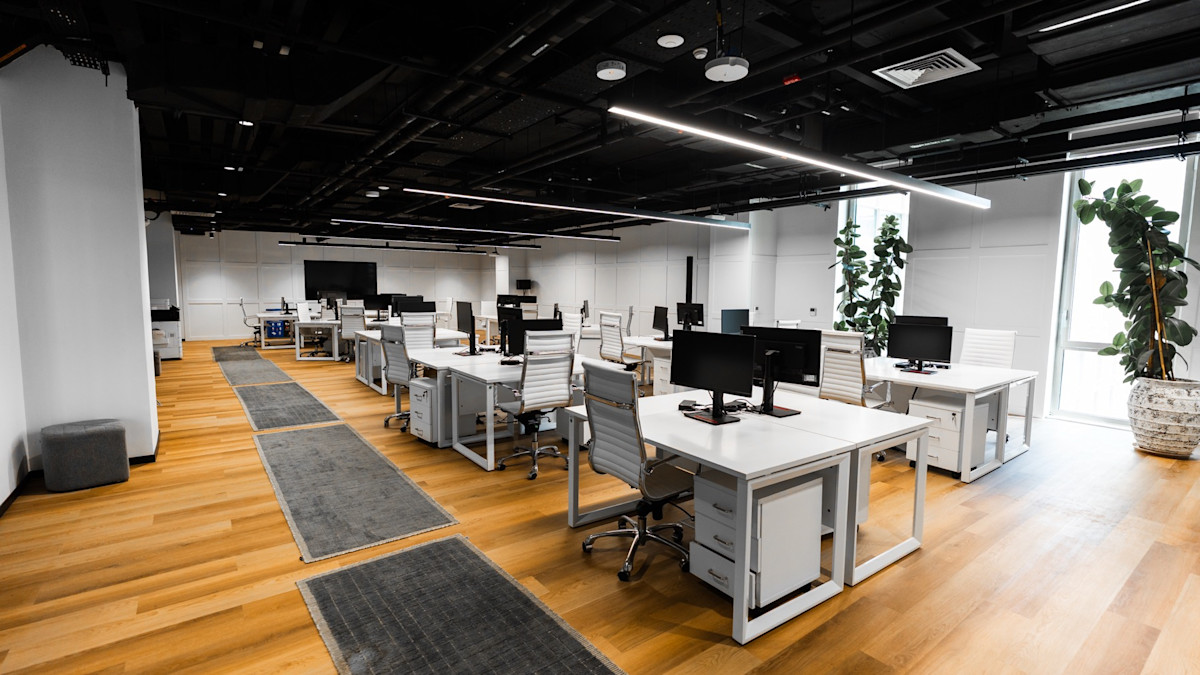
Expo City Dubai workplace with daylight, timber flooring, indoor planting, efficient linear lighting and flexible workstations
Green District / Commercial

Expo City Dubai & Dubai South Workplaces

Expo City is a strong reference point for certified sustainable development: its buildings include LEED Gold and Platinum assets and the wider masterplan follows ambitious sustainability targets. For offices and tenant spaces here or in nearby Dubai South, we can coordinate low-emission finishes, flexible planning, material evidence, lighting controls and fit-out choices with the landlord or district requirements.

LEED-aware fit-outFlexible layoutsCircular procurementEfficient lighting
Explore Dubai Interior Design
Dubai corporate office with indoor greenery, timber booths, daylight and integrated efficient lighting
Prime Commercial / ESG

DIFC, One Central, Downtown & Business Bay Offices

Prime corporate interiors often combine sustainability with client experience, ESG reporting and high-performance workplace expectations. We can plan daylight access, acoustic privacy, efficient meeting-room ratios, demountable partitions, responsible materials and durable FF&E while coordinating with the building's base MEP and landlord criteria.

ESG documentationAcoustic + daylight performanceDemountable partitionsDurable FF&E
Explore Office Interior Design Dubai
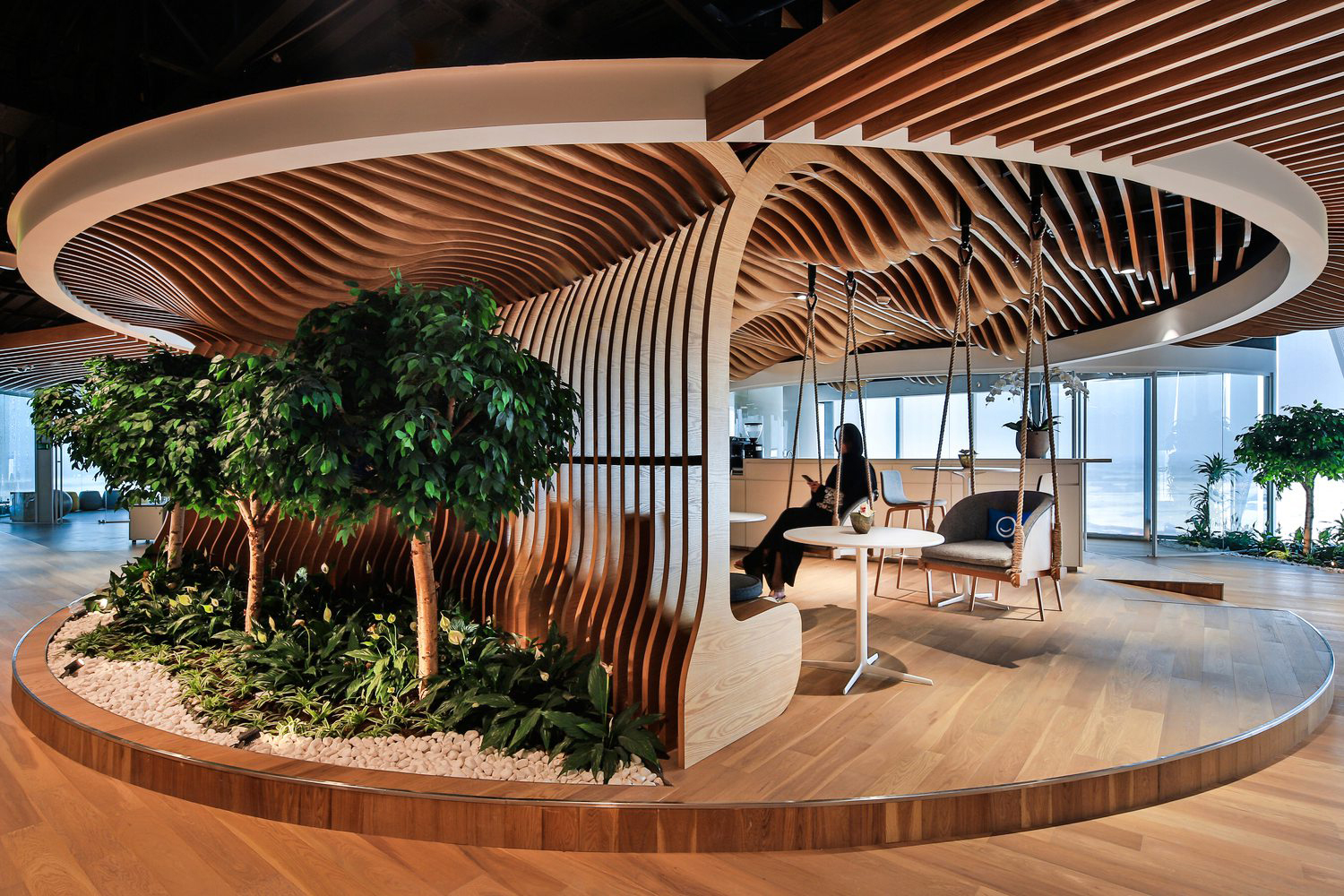
Smart Dubai office in Dubai Design District with timber biophilic structure, indoor planting and daylight
Creative + Technology

d3, Dubai Media City & Dubai Internet City

Creative and technology offices change quickly. A fixed fit-out can become obsolete before the materials reach the end of their physical life. We favour reconfigurable team neighbourhoods, movable furniture, demountable meeting rooms, replaceable acoustic elements and exposed or accessible service routes where the design allows.

ReconfigurationModular furnitureAccessible servicesAcoustic reuse
Explore Interior Design Dubai Design District
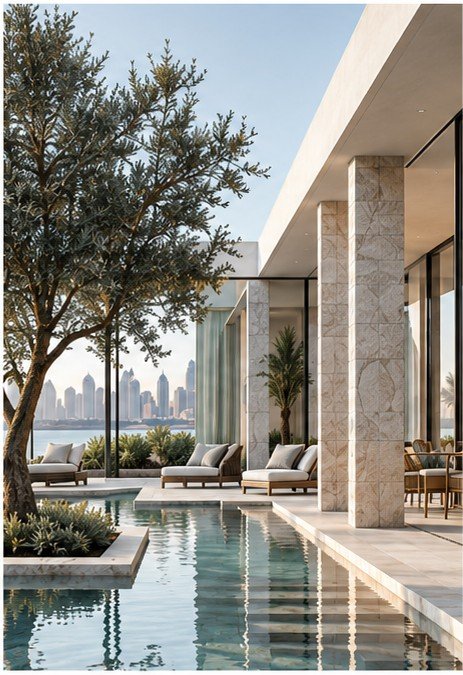
High-end Dubai villa living space using warm timber, large indoor planting and daylight around a neutral seating zone
Luxury Residential

Dubai Hills, Al Barari, Emirates Hills & Jumeirah Golf Estates

Large villas can carry a substantial material and cooling footprint. We focus on rooms that will actually be used, daylight and shading, zoned lighting, durable joinery, water-efficient fixtures, repairable furniture and a material palette that does not depend on replacing entire surfaces to refresh the home.

Long-life materialsZoned lightingWater efficiencyRepairable furniture
Explore Villa Interior Design Dubai
Daylit Dubai high-rise interior showing efficient perimeter planning and natural planting near full-height glazing
High-Rise Residential

Palm Jumeirah, Dubai Marina, JBR & Bluewaters

In glazed apartments and penthouses, sustainability often means working intelligently with the existing tower rather than changing it. We protect useful views while managing glare, specify window treatments carefully, avoid overbuilding fixed joinery, choose durable loose furniture and coordinate any MEP or wet-area intervention with the tower's actual limitations.

Glare controlRetain base finishesLow-emission upgradesPortable FF&E
Explore Interior Design Dubai Marina
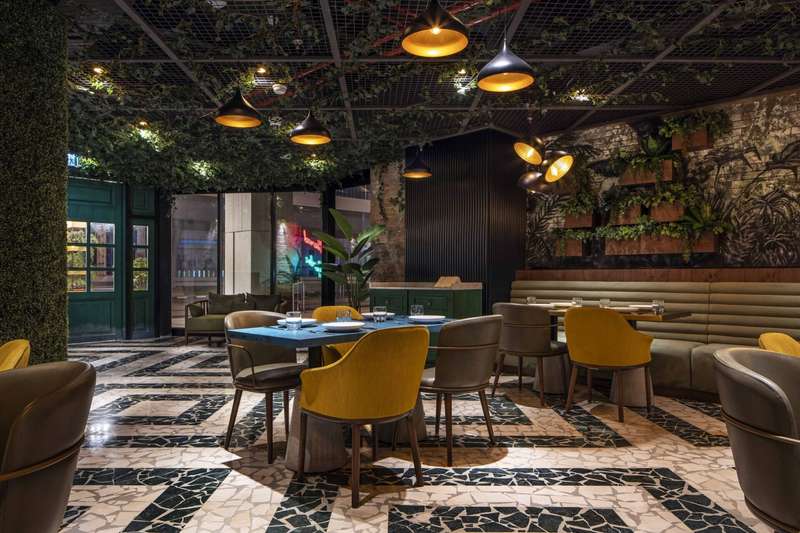
Dubai restaurant interior with reclaimed wood character, planted walls, durable flooring and layered energy-efficient lighting
Hospitality + F&B

Jumeirah, City Walk, Downtown & Destination Restaurants

Restaurants and hospitality interiors are high-wear environments. Sustainable design therefore depends on commercial durability, repairable components, low-emission products, water strategy, efficient lighting, maintainable planting and careful replacement planning—not simply reclaimed timber or a living wall.

Commercial durabilityReplaceable componentsEfficient lightingMaintainable biophilia
Explore Restaurant Interior Design Dubai

Sustainable Interior Design Services in Dubai

What Bella can actually design, specify and coordinate.

The sustainable scope can be applied to a single renovation decision or to the complete interior. The proposal defines which analysis, drawings, product evidence, procurement support and site reviews are included; specialist energy modelling and formal certification submissions are coordinated with the responsible professionals.

01

Existing-asset + reuse audit

Before demolition, we establish what already has useful life.

  • Existing flooring, stone and tile assessment
  • Door and ironmongery reuse review
  • Kitchen / wardrobe carcass retention
  • Furniture reuse, reupholstery and refinishing
  • Lighting fixture reuse where technically suitable
  • Salvage, donation or secondary-market opportunities
02

Sustainable space planning

Efficient use of the floor area is a sustainability decision.

  • Room and workstation utilisation review
  • Multi-use rooms and shared functions
  • Future expansion / contraction scenarios
  • Demountable or reversible partition strategy
  • Daylight access and internal glazing
  • Storage planned to reduce future built-in additions
03

Low-emission + responsible material specification

Evidence is attached to the product, not the marketing language.

  • Low-emission paint, adhesive and sealant review
  • Composite-wood emissions review
  • FSC or equivalent responsible timber where appropriate
  • Recycled / reclaimed content opportunities
  • EPDs and product declarations where useful
  • Durability, cleanability, repair and warranty review
04

Energy + daylight strategy

Interior choices should not increase the building's cooling or lighting demand unnecessarily.

  • Furniture and partition planning around daylight
  • Glare-control and window-treatment strategy
  • Efficient LED lighting and zoning
  • Occupancy / daylight controls where appropriate
  • HVAC grille and thermostat coordination
  • Smart-control interfaces where part of the brief
05

Water + wet-area strategy

Water efficiency belongs in kitchens, bathrooms, pantries and staff facilities.

  • Water-efficient taps and shower fittings
  • WC / flush selection coordination
  • Leak-detection options where appropriate
  • Hot-water and appliance efficiency interfaces
  • Wet-area durability and waterproofing coordination
  • Maintenance access
06

Circular FF&E + procurement

Furniture should last, move, repair and be documented.

  • Durable ergonomic furniture
  • Modular / relocatable pieces
  • Reupholsterable seating
  • Replaceable components and finishes
  • Local / regional fabrication where it improves lifecycle value
  • Supplier documentation and take-back programmes where available
07

LEED / WELL / ESG coordination

For formal targets, the design has to generate the evidence the certification process expects.

  • Interior material schedule aligned with target credits
  • Reuse and material procurement records
  • Low-emitting product evidence
  • Daylight, lighting and indoor-environment interfaces
  • Contractor substitution control
  • Coordination with LEED AP / WELL AP / sustainability consultant

Bella does not issue LEED, WELL or Al Sa'fat certification itself. Where formal certification, energy modelling, commissioning, engineering calculations or statutory sign-off are required, those responsibilities are carried by the appropriately accredited or licensed consultant. Our role is to make sure the interior design supports those requirements instead of conflicting with them.

From Existing Asset to Sustainable Handover

How a sustainable Dubai interior project moves forward.

The sequence starts with avoiding waste and ends with verifying what was actually installed. That is intentionally different from a conventional process that begins with a mood board and only asks about sustainability after the design is finished.

01

01. Define the sustainability brief

We establish the property, current condition, budget, operating priorities, sustainability goals and whether you need a formal rating or simply better environmental performance.

Outcome: priorities, targets and responsibility matrix
02

02. Audit what can stay

Existing floors, stone, doors, joinery, furniture, fixtures and services are reviewed before strip-out. We identify what can be retained, repaired, relocated, refinished or responsibly removed.

Outcome: retain / repair / replace schedule
03

03. Resolve the layout with daylight and future change in mind

We test room use, furniture, circulation, internal glazing, adaptable partitions and service access so the plan can perform now and change later.

Outcome: efficient, adaptable planning direction
04

04. Build the material + performance concept

Colour, texture, lighting, joinery and FF&E are developed alongside emissions, durability, source evidence, maintenance and operational efficiency.

Outcome: design concept with measurable sustainability criteria
05

05. Detail and coordinate

Technical drawings, finish schedules, joinery, lighting and MEP interfaces are developed so the sustainable decisions survive contractor pricing and authority / landlord review.

Outcome: coordinated technical package
06

06. Procure without losing the specification

Samples and substitutions are checked against the approved sustainability and design criteria. A cheaper alternative is not accepted as equivalent only because it looks similar.

Outcome: traceable procurement and substitution decisions
07

07. Build, snag and document

Where appointed, we review critical finishes, installation quality and deviations, then close the project with an updated record of materials and key sustainability evidence.

Outcome: completed interior with usable handover information

The Technical Side of Sustainable Interior Design Dubai

In Dubai, climate and building systems can outweigh decorative sustainability gestures.

A reclaimed table does not compensate for an interior that overheats, blocks air distribution, uses uncontrolled lighting or requires demolition every time the tenant changes. These technical decisions have a much larger effect on lifecycle performance.

Smart Dubai biophilic workplace in d3 with daylight, timber structure, planting and flexible seating
01

Daylight must be useful, not just abundant

Dubai's high solar exposure can produce glare and cooling penalties. We position workstations, screens, seating and internal glazing to use perimeter daylight without forcing blinds to remain permanently closed.

02

Lighting controls often matter more than decorative efficiency claims

Efficient luminaires help, but zoning, occupancy sensing, daylight response and sensible scene control determine whether lights are actually on when needed and off when not.

03

HVAC distribution must remain unobstructed

Partitions, full-height joinery and ceiling features can disturb supply and return air paths. We coordinate the interior with base-build HVAC information so aesthetic changes do not create comfort problems or unnecessary rework.

04

Indoor air quality begins with source control

Low-emission paints, adhesives, flooring, panels, furniture and sealants reduce avoidable pollutant sources. Construction-phase protection and post-construction cleaning also matter; LEED v5 ID+C specifically addresses construction indoor-environmental-quality management.

05

Timber claims need chain-of-custody evidence

Where responsibly sourced timber is a project objective, the species, supplier and certification chain should be checked. A catalogue image or salesperson's statement is not enough for a certification-led project.

06

Biophilic design is not the same as sustainability

Plants, natural textures and organic forms can support wellbeing and identity, but a living wall with poor maintenance, excessive irrigation or difficult replacement may not be the best lifecycle choice. We specify planting only where the operational plan can support it.

07

Design for disassembly reduces future strip-out

Mechanical fixings, demountable partitions, replaceable flooring modules and accessible service routes allow future changes with less demolition and waste than permanently bonded assemblies.

08

Water efficiency belongs inside the design schedule

Taps, showers, WCs, appliances and pantry fixtures should be compared by actual performance and suitability rather than selected after the bathroom or kitchen aesthetic is already fixed.

LEED-Compliant Interior Design Dubai & Local Green-Building Context

Al Sa'fat, LEED and WELL are different frameworks—your project may use one, several or none.

Dubai Municipality's Al Sa'fat Green Building System replaced the earlier Dubai Green Building Regulations from 19 October 2020. Dubai Municipality states that new buildings must meet the mandatory requirements for Silver Sa'fa, with Golden and Platinum levels available for higher performance. An interior renovation inside an existing building should not be advertised as independently 'Al Sa'fat certified' unless the actual project and authority route support that claim.

In September 2026, Dubai Municipality also launched its Existing Buildings Greening Guide. The guide focuses on practical improvements to energy and water efficiency, carbon reduction, operational waste, maintenance costs and indoor environmental quality. That is particularly relevant to sustainable renovations of existing villas, towers, offices and commercial premises.

For clients specifically seeking LEED compliant interior design in Dubai, LEED v5 Interior Design and Construction (ID+C) is the current USGBC framework for eligible interior renovation and fit-out projects. It addresses materials and resources, energy, indoor environmental quality, adaptability and other sustainability outcomes. Formal certification is managed through the relevant LEED/GBCI process; the design team must collect evidence rather than simply describe a project as LEED-style.

WELL is a separate health-and-wellbeing standard. A project can pursue LEED, WELL or both, but neither should be added as a marketing badge after construction. If certification matters, the target needs to be established during briefing so layout, products, MEP, contractor procedures and documentation can be coordinated from the start.

  • Confirm the building / community / free-zone approval route before changing partitions, MEP or wet areas
  • Identify whether the base building already carries Al Sa'fat, LEED, WELL or other sustainability requirements
  • Define certification target and responsible accredited consultant before concept design is frozen
  • Do not substitute low-emission, certified or recycled-content products without reviewing the evidence
  • Coordinate sustainability requirements with landlord fit-out manuals in DIFC, Business Bay, d3, JLT, Expo City and other managed developments
  • Keep statutory approval requirements separate from voluntary green-building certification
Read the current Dubai Municipality — Al Sa'fat Dubai Green Building System
Dubai biophilic restaurant interior combining timber, planting, durable patterned flooring and layered lighting

Sustainable Materials for Dubai Interiors

Choose materials by evidence, durability and maintenance—not by a green-sounding product name.

Dubai interiors operate under intense daylight, continuous cooling, dust, frequent cleaning and high-use conditions. A sustainable material must therefore last in the actual room. A fragile finish that needs replacing every two years can have a worse lifecycle outcome than a more robust alternative with a less fashionable sustainability story.

We also separate material origin from indoor-air performance. FSC certification can support responsible timber sourcing; an EPD can disclose lifecycle impacts; emissions certifications can provide evidence about what a product releases indoors. These documents answer different questions, so one badge should not be treated as proof of everything.

FSC-certified or responsibly sourced timberReused / reclaimed timber where suitableRecycled metal and aluminiumRecycled-content carpet tilesLinoleum, cork or other appropriate resilient finishesLow-emission paints, adhesives and sealantsComposite wood with credible emissions dataRepairable upholstery and replaceable coversLocally / regionally fabricated joinery where lifecycle value improvesDurable stone and porcelain selected for long service lifeMaterial EPDs and product declarations where usefulModular acoustic panels and demountable systems

Sustainable Interior Design Dubai Cost & Programme

Price the design, the fit-out and the sustainability target separately.

There is no official Dubai tariff called 'sustainable interior design'. The most useful budget is built from the normal design / construction scope plus any sustainability-specific products, consultants, documentation and commissioning. Reuse can reduce cost; premium certified products, specialist controls and formal certification can add cost. The figures below are current third-party 2026 planning references, not Bella quotations.

2026 Dubai planning benchmarks

What sustainable interior design can cost

  • Design-only concept + layout: approximately AED 15–35/sq ft in one September 2026 Dubai residential design-fee guide.
  • Full technical interior-design package: approximately AED 35–80/sq ft in the same Dubai guide.
  • Full design + FF&E procurement / supervision: approximately AED 80–150+/sq ft in the same Dubai guide.
  • General Dubai residential fit-out / renovation: current 2026 contractor compilations span roughly AED 150–1,200+/sq ft depending on property and finish; sustainability is not a separate universal surcharge.
  • Sustainable office fit-out: one July 2026 specialist market guide publishes approximately AED 250–320/sq ft for a green baseline, AED 320–400/sq ft for LEED-oriented Silver / Gold projects and AED 400–480+/sq ft for higher-spec LEED / WELL workplaces. Treat these as one contractor-market benchmark, not an official tariff.
  • Current Dubai office fit-out data more broadly ranges from approximately AED 152–258/sq ft for light works, AED 203–398/sq ft for standard and AED 270–545+/sq ft for premium depending on district; a sustainable brief still needs a like-for-like scope comparison.
  • Certification-related consultant, commissioning, testing, registration and documentation fees should be shown separately rather than hidden inside the fit-out rate.
  • UAE standard VAT is 5% on taxable supplies unless a specific zero-rating or exemption applies.
Programme is shaped by

Reuse audits, product evidence and certification decisions

  • Existing-condition survey and retain / replace decisions before demolition
  • Time required to obtain material certificates, EPDs, samples and technical data
  • Availability of FSC / low-emission / recycled-content products in the required finish
  • Landlord and authority review where partitions, MEP or wet areas change
  • LEED / WELL strategy and evidence requirements if formal certification is pursued
  • Energy / lighting / MEP coordination and any commissioning requirements
  • Joinery fabrication and locally versus internationally sourced materials
  • Client approval speed and substitutions requested after procurement begins

A sustainable project should not be priced by adding a flat 'green premium' to a conventional quote. First calculate what can be retained and removed from the scope; then price the new work, documentation and performance upgrades. This often produces a more credible budget than assuming every sustainable product costs more.

Sustainable Interior Design Dubai — Questions Answered

What Dubai clients should know before paying extra for a 'green' interior.

These answers separate genuine sustainability decisions from marketing language, explain Dubai's green-building context and clarify where the budget actually changes.

01What is sustainable interior design?

Sustainable interior design reduces environmental and health impacts across the life of an interior. In practical terms that can mean retaining existing finishes, using fewer material layers, choosing durable and repairable products, specifying verified low-emission materials, improving lighting and water efficiency, planning for adaptation and documenting what was actually installed.

02Do you provide sustainable interior design in Dubai?

Yes. Bella can develop sustainable interior design for villas, apartments, penthouses, offices, retail, restaurants, hospitality and selected specialist interiors across Dubai. The scope can range from a reuse/material audit to complete design, technical documentation, procurement coordination and fit-out support.

03What does 'LEED compliant interior design Dubai' actually mean?

LEED is a formal third-party green-building framework, not a visual style. LEED v5 Interior Design and Construction is available for eligible interior renovation and fit-out projects. If certification is required, the target credits, documentation and responsible accredited professionals should be identified from the start. Bella can align the interior design and product evidence with that strategy, but formal certification is not self-declared by the designer.

04Does every sustainable interior in Dubai need LEED certification?

No. Many clients want lower-impact, healthier or more efficient interiors without pursuing a formal rating. Others need LEED or WELL because of corporate ESG policy, landlord requirements or asset strategy. The correct route depends on the project.

05What is Al Sa'fat and does it apply to my interior project?

Al Sa'fat is Dubai Municipality's green-building system. Dubai Municipality states that new buildings must achieve the mandatory Silver Sa'fa requirements, with higher Golden and Platinum levels available. An interior refurbishment in an existing building should not automatically be described as a separate Al Sa'fat-rated project; the applicable building and permit context needs to be checked.

06What changed in Dubai sustainability guidance in 2026?

Dubai Municipality launched an Existing Buildings Greening Guide on 16 September 2026. It provides practical guidance around energy and water efficiency, carbon reduction, operational waste, maintenance and indoor environmental quality for existing buildings. That makes sustainability especially relevant to renovation and retrofit work, not only new construction.

07How much does sustainable interior design cost in Dubai?

There is no official sustainable-design tariff. Current 2026 Dubai design-fee references put concept/layout work around AED 15–35 per sq ft, full technical packages around AED 35–80 per sq ft and full design with FF&E / supervision around AED 80–150+ per sq ft. Sustainability can reduce cost where existing assets are retained, while certification, specialist consultants, controls and premium documented materials can add cost.

08How much does a sustainable office fit-out cost in Dubai?

One July 2026 sustainable-office market guide publishes roughly AED 250–320 per sq ft for a green baseline, AED 320–400 for LEED-oriented Silver / Gold projects and AED 400–480+ for higher-spec LEED / WELL workplaces. Broader Dubai office-fit-out data spans wider ranges depending on district and scope. These are external planning benchmarks, not Bella quotations.

09Does sustainable interior design always cost more?

No. Keeping an existing floor, refinishing doors or reusing furniture can remove cost from the project. Some certified products, specialist controls, imported materials, commissioning and formal certification services can add cost. The right comparison is the complete lifecycle and scope, not a fixed percentage premium.

10Can sustainable interior design still be luxury?

Yes. Luxury can come from proportion, craftsmanship, lighting, tactility and long-life materials rather than excessive material quantity. Certified timber, durable natural stone, recycled metal, beautifully restored furniture, responsible textiles and precise detailing can create a highly refined interior.

11Is biophilic design the same as sustainable interior design?

No. Biophilic design focuses on connection with nature through daylight, planting, natural forms and materials. It can support wellbeing, but it does not automatically reduce material use, energy, water, waste or chemical emissions. A sustainable project may include biophilia, but it needs a broader performance and lifecycle strategy.

12Do plants clean indoor air enough to replace ventilation?

No. Ordinary indoor plants can support visual wellbeing but should not replace correctly designed ventilation, filtration and source control. We treat planting as a biophilic layer, not as the building's mechanical air-treatment system.

13What materials do you use for sustainable interiors in Dubai?

The material depends on the application. Options can include retained stone and timber, FSC-certified wood, reclaimed timber, recycled metal, recycled-content carpet tiles, linoleum or cork where suitable, low-emission paints and adhesives, repairable upholstery and products supported by EPDs or emissions evidence. Durability and maintenance remain part of the decision.

14Is local material always more sustainable?

Not automatically. Regional fabrication can reduce transport and improve repair access, but the raw material, manufacturing process, durability and replacement frequency still matter. We compare the whole product rather than using 'local' as a stand-alone sustainability claim.

15Can you make my existing Dubai villa more sustainable without a full renovation?

Often, yes. A focused intervention can improve lighting controls, window treatment, water fixtures, furniture, upholstery, storage, selected finishes and room use while keeping much of the existing interior. The first step is to identify what is already performing well.

16Can you design a sustainable office in DIFC, Business Bay, d3 or JLT?

Yes, subject to the building and landlord requirements. We can develop workplace planning, low-emission material schedules, efficient lighting, flexible partitions, acoustic design, FF&E and LEED / WELL-aligned design coordination for offices across DIFC, One Central, Downtown, Business Bay, d3, Internet City, Media City, JLT, Uptown Dubai, Expo City and Dubai South.

17What should I send Bella for a sustainable interior design quotation?

Send the Dubai location and building/community, floor plan, approximate area, current photographs, property type, items you want to keep, intended level of renovation, target budget, target completion date and any LEED, WELL, ESG, landlord or corporate sustainability requirements. If you already have a BOQ, fit-out manual or material schedule, include those too.

18Is 5% VAT added to sustainable interior design and fit-out?

The UAE standard VAT rate is 5% on taxable supplies unless a specific zero-rating or exemption applies. Your quotation should state clearly whether VAT is included or added separately.

Start With What You Already Have

Tell us what you want to keep, what you want to improve and how sustainable the project needs to be.

Send the Dubai area or building, floor plan, current photos and approximate area. Tell us what can stay, what you believe needs replacing and whether the property is occupied, newly handed over, shell-and-core or already fitted.

Then tell us your priorities: lower demolition, healthier materials, energy, water, circular procurement, local sourcing, long-life design, ESG reporting, LEED / WELL certification or a combination. We will use those priorities to build the design scope rather than adding a generic green layer at the end.